Understanding Men's Daily Nutrient Intake
An educational resource exploring the components of daily nutrition and dietary habits in men's lifestyle.
Read more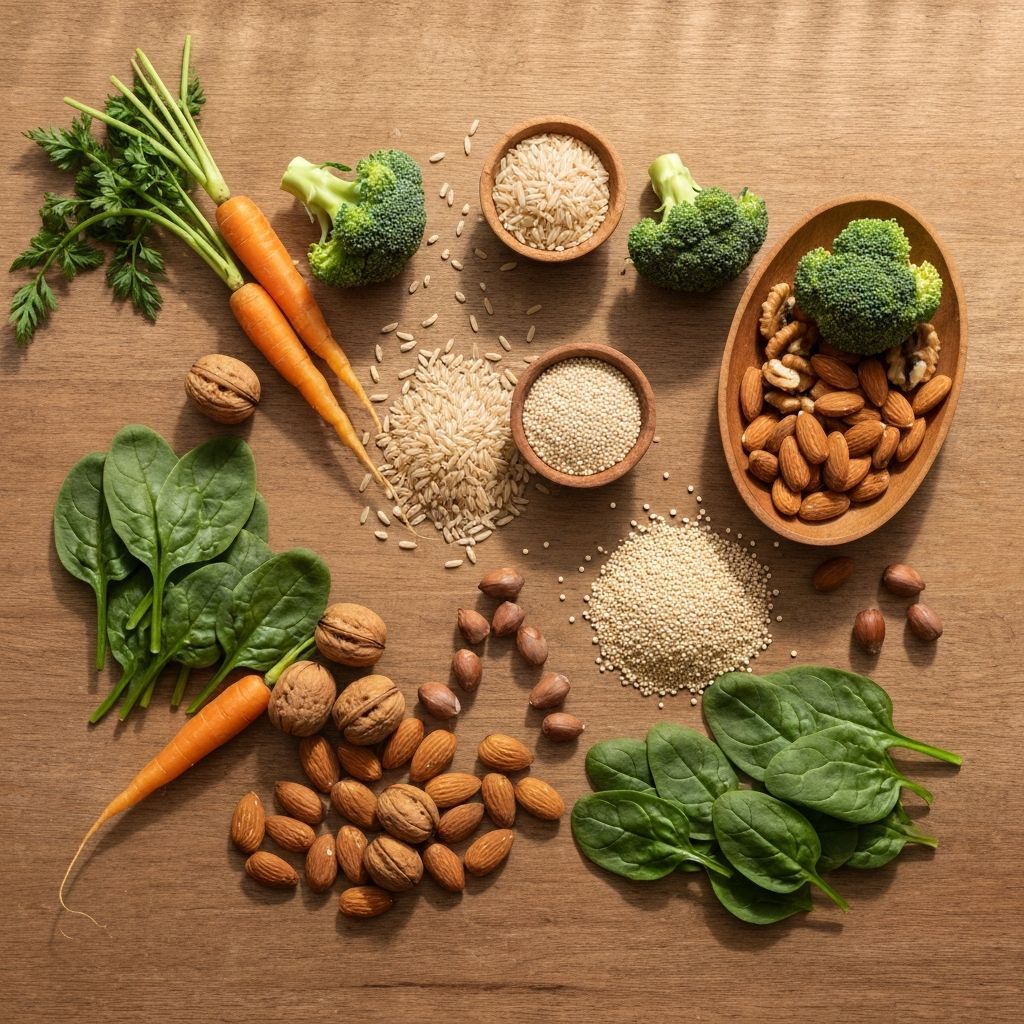
Introduction to Men's Daily Nutrient Intake
Daily nutrient intake refers to the regular consumption of various dietary components that form part of everyday eating habits. In the context of men's nutrition, this encompasses a wide range of food categories including macronutrients, micronutrients, and other dietary elements commonly found in balanced eating patterns.
This educational resource explores the concept of daily nutrition through an informational lens, examining the components that constitute typical dietary intake without making recommendations or claims about individual needs. The information presented here is intended to provide context and understanding about nutritional concepts as they relate to men's dietary habits.
Understanding nutrition involves recognizing the diversity of dietary approaches across different cultures, lifestyles, and personal preferences. There is no single standard that applies universally, and dietary patterns vary significantly based on numerous factors including geography, tradition, and individual circumstances.
Macronutrient Overview
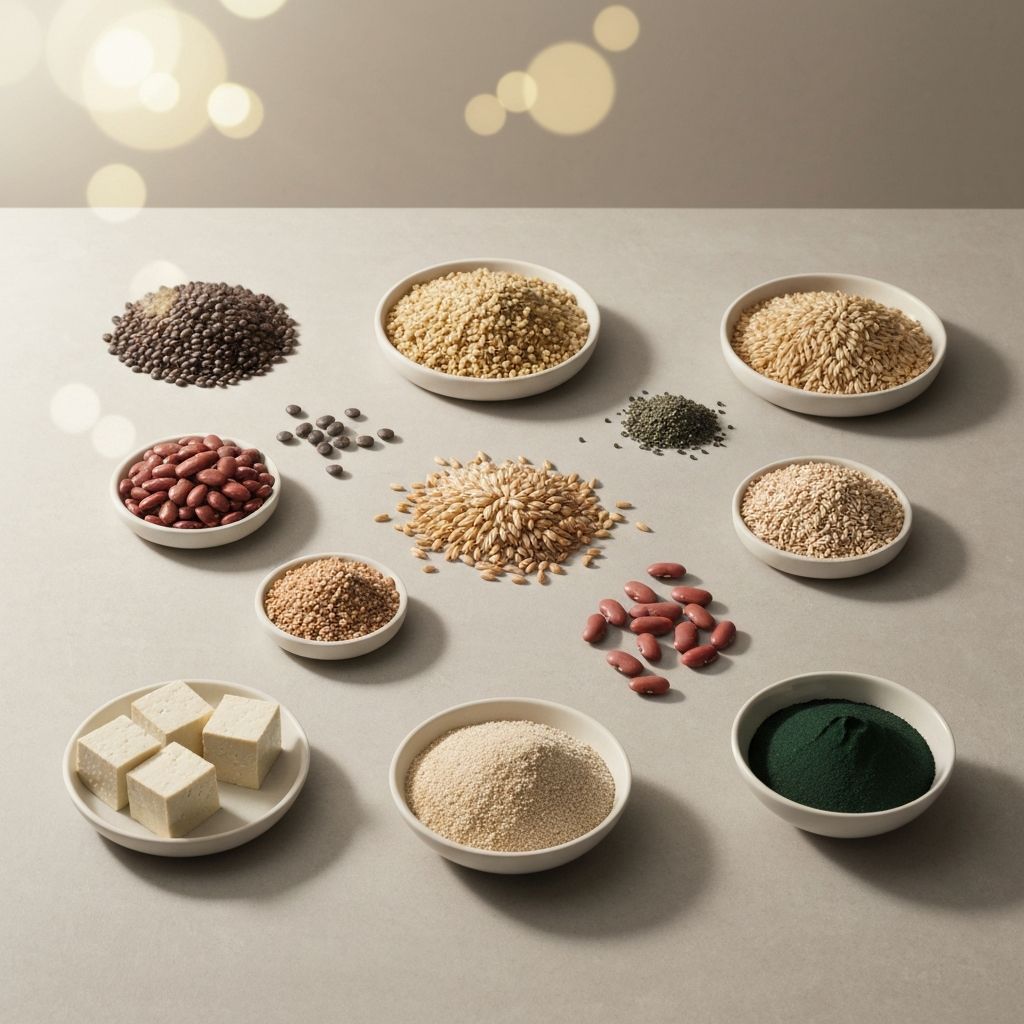
Macronutrients represent the primary categories of dietary components that are consumed in larger quantities as part of daily eating patterns. These include proteins, carbohydrates, and fats, each serving different roles in the composition of food.
Proteins
Proteins are found in various food sources including legumes, grains, nuts, seeds, and animal products. They are composed of amino acids and are a fundamental component of many dietary traditions around the world.
Carbohydrates
Carbohydrates are present in foods such as grains, vegetables, fruits, and legumes. They come in different forms including simple and complex carbohydrates, each with distinct characteristics in terms of food composition.
Fats
Dietary fats are found in oils, nuts, seeds, avocados, and various other food sources. They include different types such as saturated, monounsaturated, and polyunsaturated fats, which vary in their chemical structure.
Micronutrient Overview

Micronutrients refer to vitamins and minerals that are consumed in smaller quantities but are widely distributed across various food groups. These components are naturally present in many foods and have been studied extensively in nutritional science.
Vitamins
Vitamins are organic compounds found in different food sources. They include water-soluble vitamins such as vitamin C and B-complex vitamins, as well as fat-soluble vitamins like vitamins A, D, E, and K. Each is present in specific food categories ranging from fruits and vegetables to dairy and animal products.
Minerals
Minerals are inorganic elements present in various foods. Common dietary minerals include calcium found in dairy products and leafy greens, iron present in legumes and meats, zinc found in nuts and seeds, and magnesium available in whole grains and vegetables.
The distribution of micronutrients varies significantly across different food groups, and dietary patterns that include a variety of food sources typically provide access to a broader range of these components.
Common Dietary Components in Men's Lifestyle
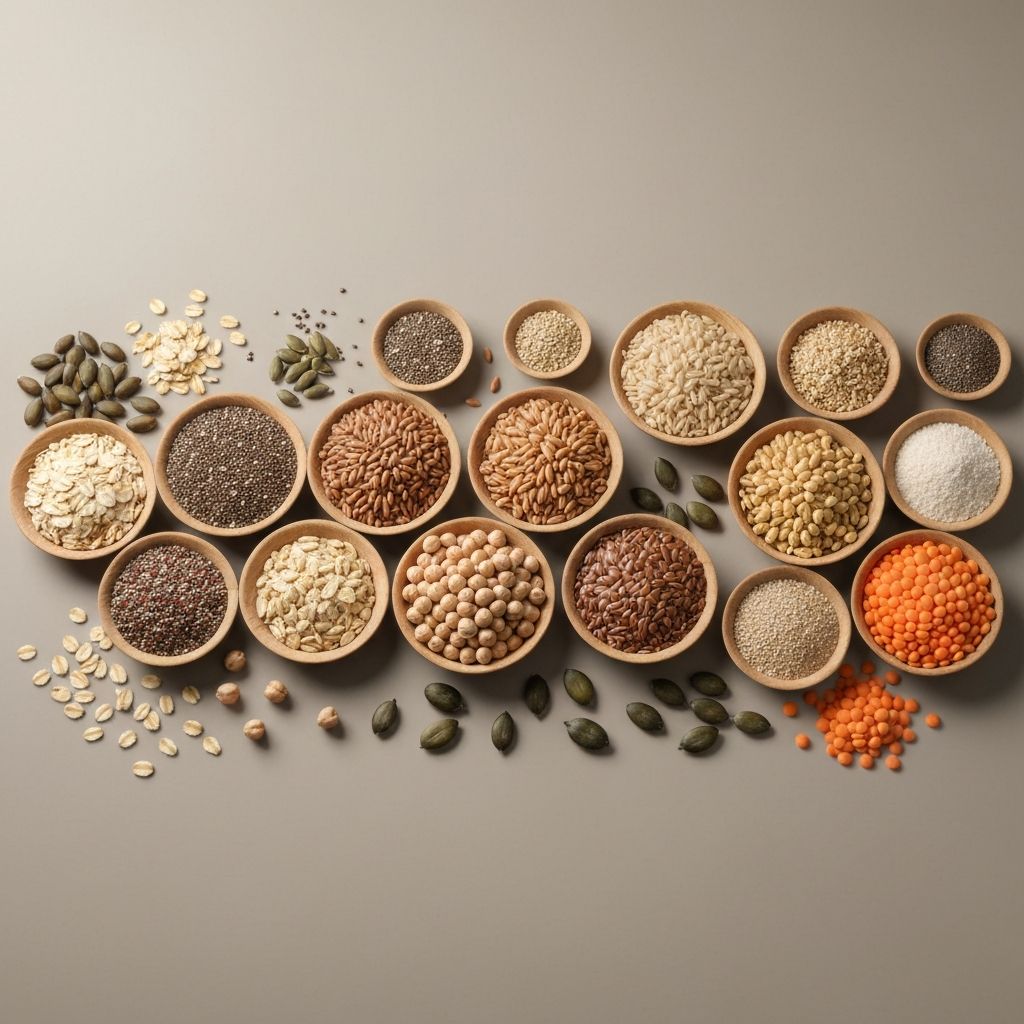
Men's dietary habits often reflect broader cultural and lifestyle patterns that have evolved over time. Common dietary components in men's nutrition include whole grains, lean proteins, vegetables, fruits, nuts, and seeds.
Whole grains such as oats, quinoa, brown rice, and whole wheat products have been staples in many dietary traditions. These foods are characterized by their retention of the entire grain kernel, which includes the bran, germ, and endosperm.
Protein sources in men's diets vary widely and may include plant-based options like legumes, lentils, and beans, as well as animal-based sources. The choice of protein sources often reflects cultural preferences and individual dietary patterns.
Vegetables and fruits represent diverse categories of foods that are commonly incorporated into daily eating habits. These foods vary by season, region, and availability, contributing to the diversity of dietary patterns observed globally.
Nuts and seeds are nutrient-dense foods that have been part of human diets for thousands of years. They provide a concentrated source of various dietary components and are consumed in different forms across cultures.
Nutrient-Rich Dietary Components for Men
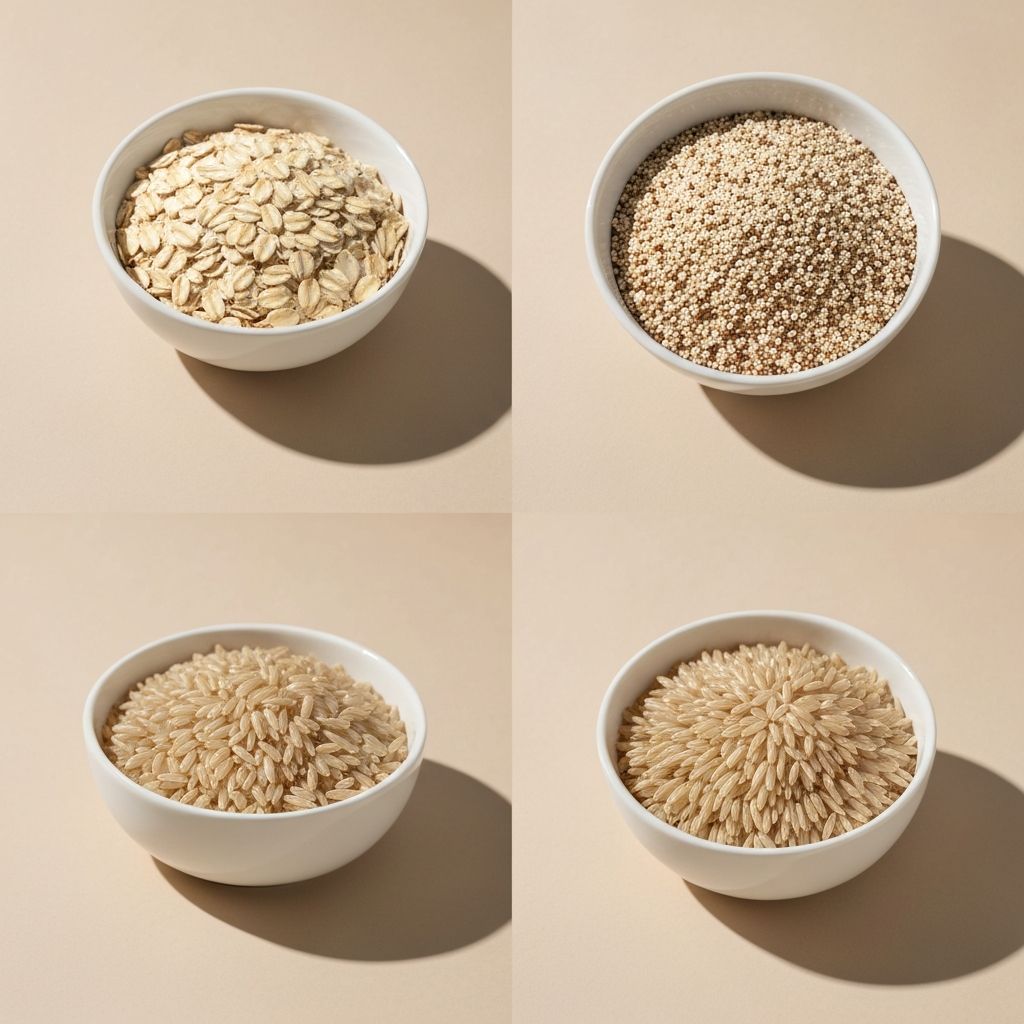
Whole Grain Components
Whole grains include oats, quinoa, brown rice, and whole wheat. These foods contain the entire grain kernel and are commonly found in various dietary patterns. They are used in breads, cereals, and other grain-based foods.
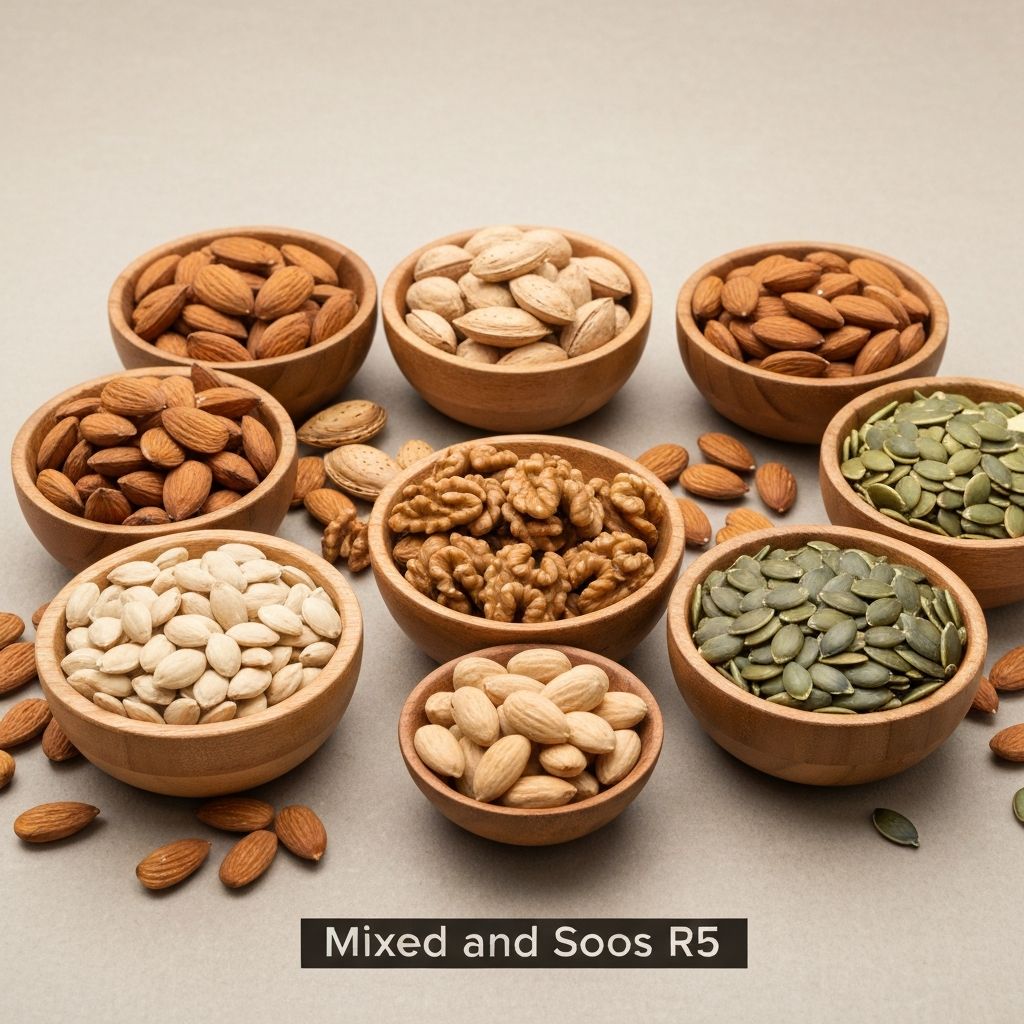
Nuts and Seeds Variety
Nuts such as almonds, walnuts, and cashews, along with seeds like pumpkin, sunflower, and chia seeds, are nutrient-dense foods. They can be consumed whole, ground into butters, or incorporated into various dishes.

Leafy Green Vegetables
Leafy greens such as spinach, kale, collard greens, and Swiss chard are commonly included in balanced diets. These vegetables are characterized by their green color and leaf structure, and they are used in salads, cooked dishes, and smoothies.
Cultural Dietary Practices in Germany
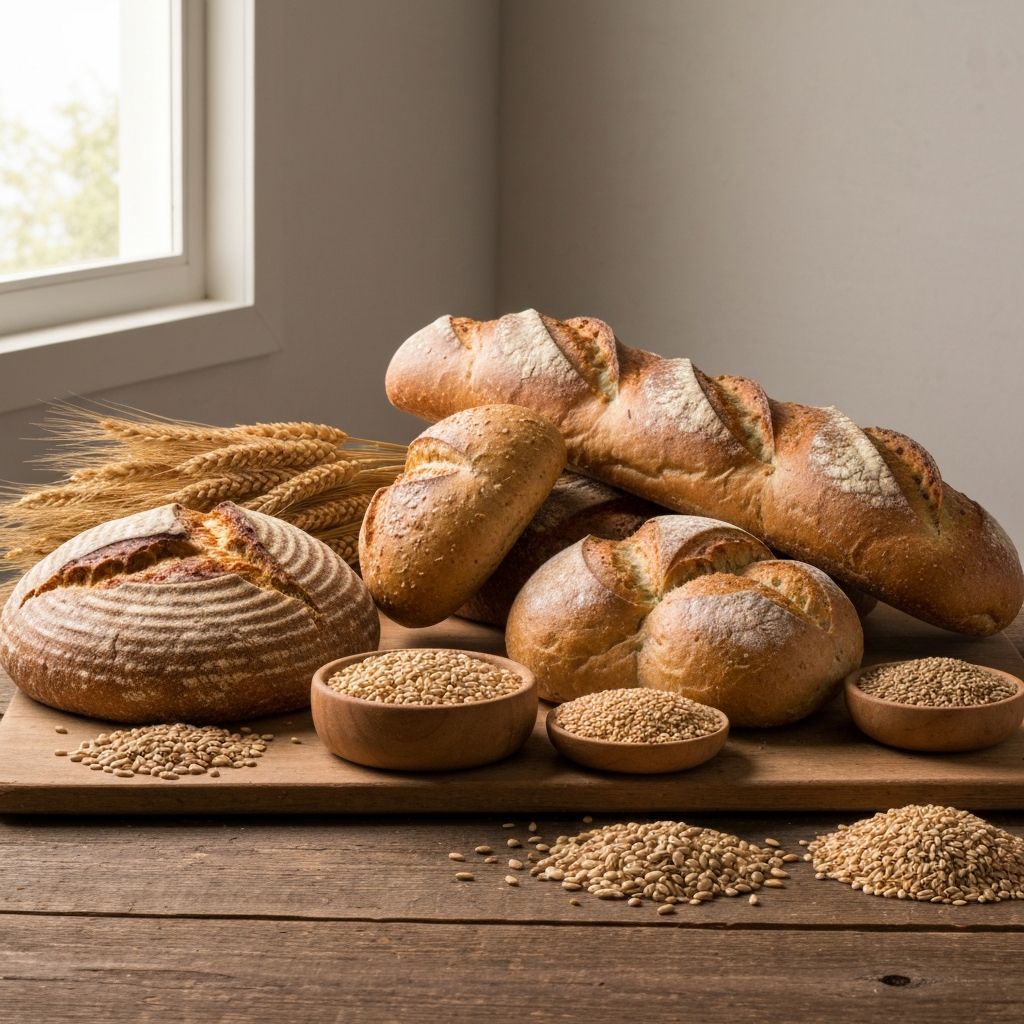
German dietary traditions reflect a long history of agricultural practices and culinary customs that have evolved over centuries. Traditional German cuisine includes a variety of bread types, with over 300 different varieties recognized throughout the country.
Bread holds a significant place in German food culture, with whole grain and rye breads being particularly common. German bakeries, known as Bäckereien, are an integral part of local communities and often produce bread using traditional methods passed down through generations.
Vegetables play an important role in German dietary patterns, with cabbage, potatoes, and root vegetables being historically significant due to their storage capabilities and seasonal availability. Modern German diets have expanded to include a wider variety of vegetables reflecting global influences.
The concept of Abendbrot, literally meaning evening bread, represents a traditional German meal practice that typically involves bread, cold cuts, cheeses, and vegetables. This practice reflects the cultural importance of bread in daily eating patterns.
Contemporary dietary practices in Germany show diversity influenced by regional variations, immigration, and changing lifestyle patterns. Urban areas particularly display a mix of traditional and international dietary influences.
Daily Meal Structure and Balance
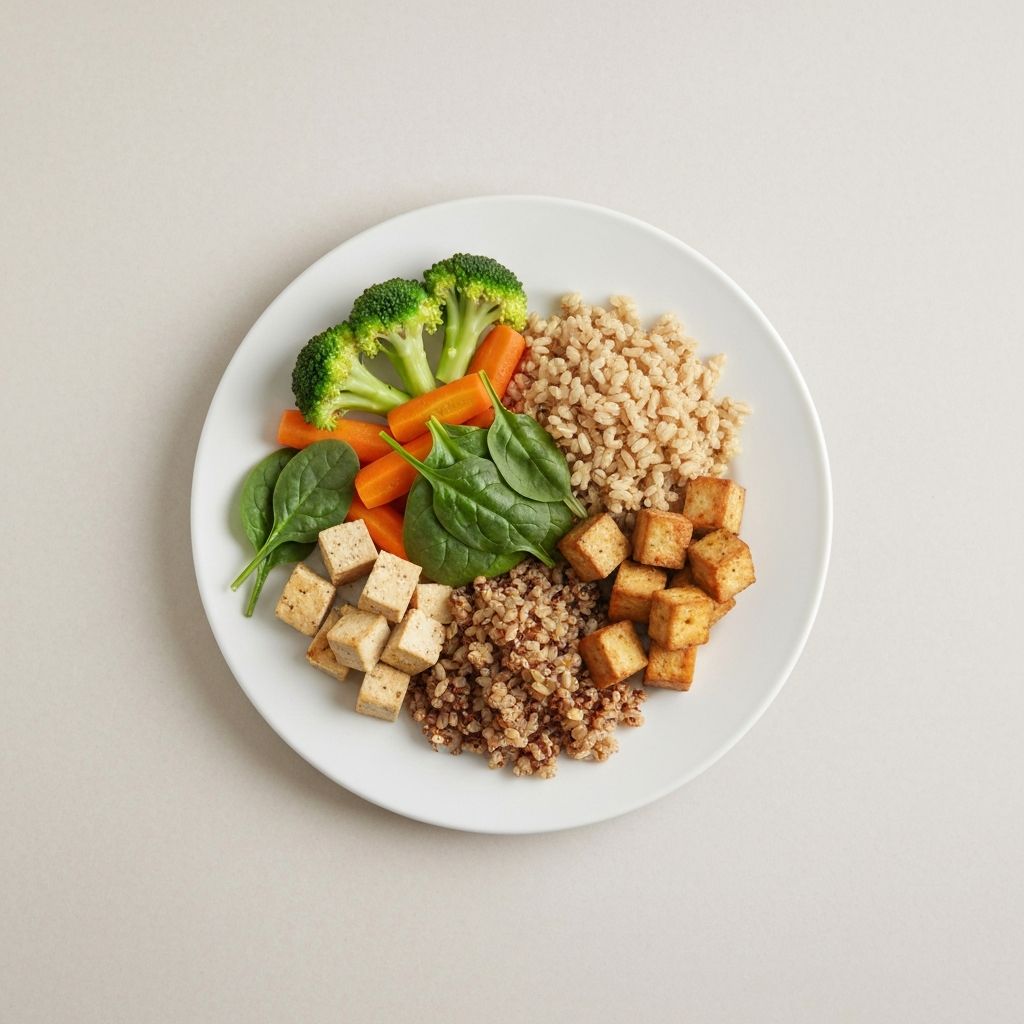
Daily meal structure refers to the pattern and timing of food consumption throughout the day. Common patterns include three main meals with possible additional snacks, though this varies significantly across cultures and individual preferences.
Breakfast Patterns
Breakfast foods vary widely depending on cultural context and personal habits. Some traditions favor grain-based foods like cereals, breads, or porridges, while others include proteins, fruits, or dairy products. The timing and composition of breakfast differ considerably among individuals.
Midday Meals
Lunch or midday meals range from light fare to substantial dishes depending on cultural norms and daily schedules. In some contexts, the midday meal is the largest of the day, while in others it serves as a moderate break between morning and evening activities.
Evening Meals
Dinner or evening meals often represent a time for more elaborate food preparation and social eating. The composition and timing of evening meals vary based on work schedules, family structures, and cultural practices.
The concept of balanced eating involves including various food groups within daily dietary patterns. This typically means incorporating vegetables, grains, proteins, and fruits in different combinations throughout meals and snacks.
Ingredient Sourcing and Natural Origins

Food ingredients originate from various natural sources including plants, animals, and fungi. Understanding the origins of dietary components provides context for how foods reach the table and the systems involved in food production.
Plant-Based Sources
Plant foods include vegetables, fruits, grains, legumes, nuts, and seeds. These foods are cultivated through agricultural practices that vary from small-scale farming to large commercial operations. Growing conditions, soil quality, climate, and farming methods all influence the characteristics of plant foods.
Agricultural Practices
Modern food production encompasses diverse agricultural approaches including conventional farming, organic methods, and sustainable agriculture practices. Each approach involves different techniques for soil management, pest control, and crop cultivation.
Seasonal Availability
Many foods have natural growing seasons that affect their availability and characteristics. Seasonal eating patterns, which align food consumption with natural harvest times, have been traditional in many cultures though modern distribution systems have reduced seasonal limitations in some regions.
Food sourcing also involves considerations of local versus imported products, with local food movements emphasizing foods produced within closer geographic proximity. These considerations reflect broader discussions about food systems, sustainability, and community connections.
Educational Notes on Nutritional Awareness

Nutritional awareness involves understanding the components that make up dietary patterns and recognizing the diversity of approaches to eating. This awareness is built through education, experience, and exposure to different food cultures and practices.
Reading Food Labels
Food labels provide information about the contents of packaged foods, including ingredients lists and nutritional information panels. Learning to read these labels involves understanding terminology, measurement units, and the order in which ingredients are listed.
Understanding Dietary Diversity
Dietary diversity refers to the variety of different foods and food groups consumed over time. Greater dietary diversity typically provides access to a wider range of nutrients and can reflect culinary exploration and cultural exchange.
Cultural Food Knowledge
Different cultures have developed extensive knowledge about food preparation, preservation, and combination. This traditional knowledge encompasses cooking techniques, flavor pairings, and seasonal food practices that have been refined over generations.
Nutritional education continues to evolve as new research emerges and understanding of food systems develops. Educational resources, including books, courses, and online materials, provide opportunities for learning about nutrition from various perspectives.
Limitations and Context: The information presented on this educational resource is general in nature and does not constitute individual guidance. Dietary needs and preferences vary significantly among individuals based on numerous factors including age, lifestyle, cultural background, and personal circumstances. This resource does not provide recommendations or advice. Individuals seeking specific guidance should consult appropriate professionals. The materials here are intended for informational and educational purposes only.
Frequently Asked Questions
What is daily nutrient intake?
Daily nutrient intake refers to the consumption of various dietary components as part of regular eating patterns. This includes macronutrients like proteins, carbohydrates, and fats, as well as micronutrients such as vitamins and minerals found naturally in foods.
How do dietary patterns vary among men?
Dietary patterns vary significantly based on cultural background, geographic location, lifestyle factors, personal preferences, and individual circumstances. There is no single dietary pattern that applies universally, and men's eating habits reflect diverse traditions and modern influences.
What are macronutrients and micronutrients?
Macronutrients are dietary components consumed in larger quantities, including proteins, carbohydrates, and fats. Micronutrients are vitamins and minerals consumed in smaller amounts. Both are naturally present in various foods and have been subjects of nutritional science research.
What role do whole grains play in dietary patterns?
Whole grains are foods that contain the entire grain kernel including the bran, germ, and endosperm. They are common in many dietary traditions and include foods like oats, brown rice, quinoa, and whole wheat products. They differ from refined grains which have had some parts removed during processing.
How do cultural practices influence dietary habits?
Cultural practices significantly shape dietary habits through traditional recipes, food preparation methods, meal timing, and food combinations. These practices are passed down through generations and reflect historical availability of foods, religious or philosophical beliefs, and social customs.
What is dietary diversity?
Dietary diversity refers to the variety of different foods and food groups consumed within a given time period. It reflects the range of dietary components available in a person's eating pattern and can vary based on geographic location, seasonal availability, and personal food choices.
Explore Additional Context
Continue your educational journey by exploring more about nutritional concepts and dietary components.
Continue reading